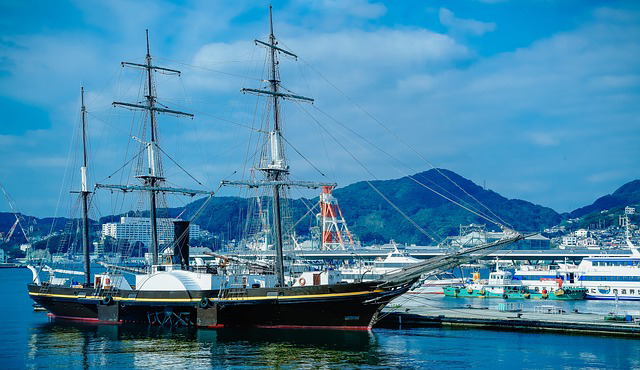
Nagasaki Attractions
Nagasaki, a vibrant city located on the island of Kyushu in Japan, is a destination that truly embodies resilience, culture, and history. Here is an inspiring travel guide to help you explore this captivating city:
1. Peace Park and Atomic Bomb Museum: A visit to the Nagasaki Peace Park and Atomic Bomb Museum is a somber yet essential experience. The park serves as a poignant reminder of the catastrophic events of World War II, while the museum offers a thorough exploration of the city’s history before and after the atomic bombing. Remembering the past is crucial for building a more peaceful future.
2. Glover Garden: Perched on a hill overlooking the city, Glover Garden is a historic park filled with beautifully preserved Western-style buildings that once belonged to foreign residents during the Meiji era. Strolling through the gardens and admiring the architecture is like stepping back in time.
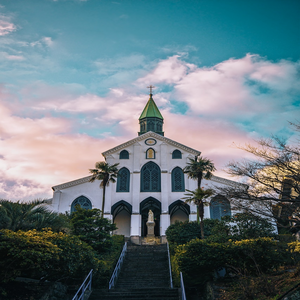
3. Oura Church: Known as the oldest standing Christian church in Japan, Oura Church is an architectural gem that represents the enduring legacy of Christianity in Nagasaki. The interior of the church is adorned with beautiful stained glass windows and intricate woodwork, creating a tranquil atmosphere for reflection.
4. Nagasaki Chinatown: Immerse yourself in the vibrant colors, tantalizing aromas, and bustling energy of Nagasaki’s Chinatown. Sample delicious Chinese cuisine, browse the many shops and markets, and soak in the rich cultural heritage of this lively district.
5. Dejima: Step back in time and visit Dejima, a man-made island that was once a Dutch trading post during Japan’s period of isolation. Explore the meticulously reconstructed buildings, learn about the exchange of goods and ideas that took place here, and gain a deeper understanding of Nagasaki’s role in international trade.
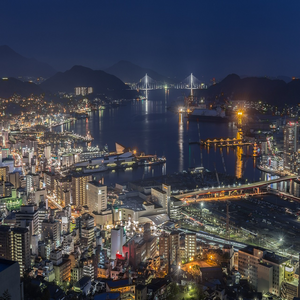
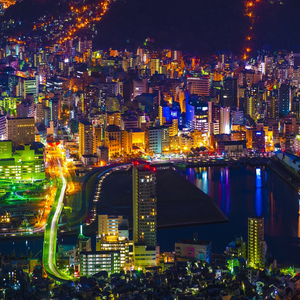
6. Mount Inasa: For panoramic views of Nagasaki and its surrounding landscapes, take a cable car up to the observation deck on Mount Inasa. The breathtaking vistas from the top are especially captivating at night when the city is illuminated against the backdrop of the darkened sky.
7. Unzen Hot Springs: Unwind and rejuvenate your body and mind at the serene hot springs of Unzen. Nestled amidst lush natural surroundings, these therapeutic waters are the perfect place to relax and soak in the beauty of the Japanese countryside.
Nagasaki’s blend of history, culture, and natural beauty makes it a truly inspiring destination for travelers seeking a deeper understanding of Japan’s past and present. Embrace the spirit of resilience that defines this city and let its stories and sights leave a lasting impression on your heart.

0$
0$
3000$

Price From
$615.11
Dream Tours Japan was born out of the idea of giving people the feeling of being connected with the destination in every facet of the tour. Whether it be from the on board commentary, insights into daily Japanese life, historical and important information of each attraction, cultural experiences, Japanese food and Sake tastings as well as personal opinions and facts about what it is truly life to live as an expat in this weird and wonderful country we call Japan.
It is my belief that only a private tour consisting of a small numbers of members can create this important connection that will stay with us for the rest of our lives!
On this tour we are able to visit 8 to 10 unique sites and spend as much time as required to throughly enjoy the experience. You will see so much more than an organized large group shore excursion, leaving one extremely satisfied at days end.
This tour has been specifically set up for Shore Excursions and can be customized for earlier pick ups and drop offs.

Price From
$109.35
Join our bus tour departing from Hakata Bus Terminal and experience the largest and most unique Japanese theme park, Huis Ten Bosch, located in the heart of Nagasaki's Sasebo city, including a round trip ticket and a one-day pass to enjoy the attractions in the park.
*If you book more than 2 months in advance, the voucher will be sent less than 2 months before the activity date

Price From
$87.52
Embark on an unforgettable journey to Huis Ten Bosch, a captivating theme park nestled in Nagasaki Prefecture. This enchanting park exudes the charming ambiance of a Dutch town, complete with winding canals, picturesque gardens, and stunning windmills, all designed to transport you straight to the Netherlands.
Discover the wonders of the Theme Park Zone, where you can engage in exciting treasure hunts and immerse yourself in thrilling role-play at the Zipangu Detective Club. Don't forget to make friends with the adorable owls at Owl Forest and capture delightful memories with charming photos.
Visit during spring to witness the breathtaking display of over 700 varieties of tulips or attend the summer fireworks competition for an extraordinary experience. In winter, be captivated by the magical Kingdom of Lights, as the entire park is illuminated with a spectacular array of lights. Unveil the uniqueness of Japan's Dutch-style theme park and embark on a truly unforgettable adventure!


Price From
$87.52
4 tours and activities
Access for Visually Impaired
Accessibility for wheels
Access for Seniors
For Individuals with Hearing Loss
Nagasaki has made significant progress in becoming more accessible for people with disabilities and seniors. The city has implemented various measures to improve accessibility and ensure that everyone can enjoy all that Nagasaki has to offer. Here is some detailed information on Nagasaki’s accessibility for people with disabilities and seniors:
1. Transportation: Nagasaki has an extensive public transportation system that is accessible to people with disabilities and seniors. Most buses and trams are equipped with ramps and lifts for wheelchair users, and priority seating is available for seniors and people with disabilities.
2. Tourist attractions: Many of Nagasaki’s popular tourist attractions are accessible to people with disabilities and seniors. Attractions such as Glover Garden, Nagasaki Peace Park, and the Nagasaki Atomic Bomb Museum have barrier-free access and facilities for those with mobility issues.
3. Accommodation: Many hotels in Nagasaki have rooms and facilities that are accessible to people with disabilities and seniors. It is advisable to book accommodation in advance and communicate any specific accessibility requirements to ensure a comfortable stay.
4. Information centers: Nagasaki has information centers that provide assistance to visitors with disabilities and seniors. These centers can provide detailed information on accessible attractions, transportation options, and other services available in the city.
5. Support services: Nagasaki also has support services available for people with disabilities and seniors, including personal support services, equipment rental, and guided tours designed for those with mobility challenges.
6. Accessibility initiatives: The city of Nagasaki continues to work on improving accessibility for all residents and visitors. Initiatives such as barrier-free facilities, improved signage, and awareness campaigns are ongoing to create a more inclusive environment.
Overall, Nagasaki is committed to becoming a more accessible city for people with disabilities and seniors. With its accessible transportation, tourist attractions, accommodation options, information centers, support services, and ongoing initiatives, Nagasaki is a welcoming destination for all travelers.
City Info and Accessibility
**Safety Tips:**
1. Be cautious when crossing streets as traffic may be coming from opposite directions due to Nagasaki’s unique driving rules.
2. Be aware of pickpockets in crowded tourist areas.
3. Carry your belongings securely and be mindful of your surroundings.
4. In case of a natural disaster, follow the instructions provided by local authorities.
**Common Languages Spoken:**
1. Japanese is the main language spoken in Nagasaki.
2. English is not widely spoken, but you may find some locals, especially in tourist areas, who can communicate in English to some extent.
**Best Travel Seasons:**
1. The best time to visit Nagasaki is during the spring (March to May) and autumn (September to November) seasons when the weather is mild, and the cherry blossoms or fall foliage are in full bloom.
2. Avoid visiting during the summer months (June to August) as it can be hot and humid, with frequent rain showers.
3. Winter (December to February) can be cold, but it is also a good time to enjoy winter festivals and events in Nagasaki.
 Public Transport Accessibility
8/10
Public Transport Accessibility
8/10
 Airport Accessibility
8/10
Airport Accessibility
8/10
 Common Accessibility
8/10
Common Accessibility
8/10
Nagasaki, a city known for its rich history and beautiful sights, has a range of accommodation options to suit various preferences and budgets. Here are some recommendations for the best areas to stay in Nagasaki:
1. Nagasaki Station Area: This area is convenient for travelers as it is close to the transportation hub of Nagasaki Station. You can find a variety of accommodations here, from budget-friendly hostels to mid-range hotels.
2. Dejima and Glover Garden Area: These areas are ideal for travelers interested in Nagasaki’s history and cultural heritage. You can find charming boutique hotels and traditional ryokans in this area.
3. Nagasaki City Centre: Staying in the city centre gives you easy access to shopping, dining, and sightseeing. There are plenty of accommodation options here, ranging from budget guesthouses to luxury hotels.
4. Unzen Hot Spring Area: If you’re looking for a relaxing getaway, consider staying in the Unzen Hot Spring area. You can enjoy luxurious ryokans and hotels with stunning views of the surrounding mountains.
In terms of accommodations, Nagasaki offers a range of options to cater to different budgets and needs:
1. Budget Accommodations: Nagasaki has several hostels, guesthouses, and budget hotels that provide affordable options for travelers. These accommodations are suitable for budget-conscious travelers looking for a comfortable place to stay.
2. Mid-Range Accommodations: If you’re looking for a balance between comfort and affordability, consider staying in a mid-range hotel or ryokan. These accommodations offer quality amenities and services at a reasonable price.
3. Luxury Accommodations: Nagasaki boasts several luxury hotels and ryokans that provide top-notch services, exquisite dining experiences, and luxurious amenities. Staying in a luxury accommodation is perfect for travelers looking to indulge and relax.
For seniors and individuals with disabilities, it’s essential to choose accommodations that are accessible and provide necessary facilities. When booking accommodations in Nagasaki, look for features such as wheelchair-accessible rooms, elevators, ramps, and bathrooms with grab bars. Some hotels also offer special services for guests with disabilities, so be sure to inquire about these options when making your reservation.
Overall, Nagasaki offers a diverse range of accommodations in various areas, making it easy to find the perfect place to stay based on your preferences, budget, and needs. Whether you’re looking for budget-friendly options, luxurious experiences, or accessible accommodations, Nagasaki has something for every traveler.
Nagasaki is a well-connected city with various transportation options for getting around, including airport transfers, public transport, and options for seniors and people with disabilities. Here’s a comprehensive guide to help you navigate Nagasaki:
1. Airport Transfers:
- Nagasaki Airport is the main gateway to the city, located about 45 minutes from the city center. Visitors can easily access the city from the airport by using various transportation options:
- Limousine buses: Operate between the airport and major hotels in the city, offering a convenient and comfortable way to reach your accommodation.
- Taxis: Available at the airport for a direct transfer to your destination. Ensure to communicate your destination clearly to the driver if you don’t speak Japanese.
2. Public Transport:
- Nagasaki has an efficient public transportation system, which includes buses and trams that cover most areas of the city:
- Nagasaki Electric Tramway: This tram network is the oldest in Japan and offers a convenient and affordable way to explore Nagasaki. The trams cover major tourist attractions and connect the city center with surrounding areas.
- Buses: Nagasaki also has a network of buses operated by various companies, providing extensive coverage of the city and its suburbs. Bus routes can be a bit complex, so it’s advisable to plan your journey in advance.
- IC cards: Consider getting an IC card (such as Suica or Pasmo) for seamless travel on public transport. These cards can be used on trams and buses, making it easier to pay for your fares.
3. Senior and Disability Accessible Transportation:
- Nagasaki offers various services to cater to the needs of seniors and people with disabilities, ensuring a comfortable travel experience:
- Barrier-free facilities: Many transportation options in Nagasaki, including trams and buses, are equipped with barrier-free facilities to accommodate passengers with disabilities. Look for designated seating areas and accessible entrances.
- Special services: Some bus companies offer special services for seniors and people with disabilities, such as reserved seating and assistance with boarding and alighting. Inquire with the transportation company or your accommodation for more information.
4. Navigating the City:
- Nagasaki is a compact city that can be easily navigated on foot, especially in the central areas where many attractions are located. Consider walking or cycling to explore the city at your own pace.
- Maps and apps: Utilize city maps, transportation guides, and navigation apps to plan your routes and find your way around Nagasaki. Google Maps is a reliable option for navigating public transport routes in the city.
- Language barrier: While many signs and announcements in Nagasaki are in Japanese, English is commonly used in tourist areas and transportation hubs. If you encounter any language barriers, don’t hesitate to ask for assistance from locals or transportation staff.
By familiarizing yourself with these transportation options and tips, you can navigate Nagasaki with ease and enjoy all that this historic city has to offer.
1. Glover Garden: A historic park with Western-style houses, offering a scenic view of Nagasaki Harbor.
2. Nagasaki Penguin Aquarium: A family-friendly aquarium featuring a variety of penguin species and other marine life.
3. Mount Inasa: A popular spot for families to enjoy panoramic views of Nagasaki from the observation deck.
4. Oka Masaharu Memorial Nagasaki Peace Park: A peaceful park dedicated to promoting peace and understanding, with sculptures and memorials.
5. Nagasaki Bio Park: A zoo and botanical garden with a wide range of animals and plants to explore.
6. Nagasaki Seaside Park: A waterfront park with walking paths, playgrounds, and picnic areas overlooking the ocean.
7. Dejima Wharf: A trendy waterfront area with shops, cafes, and restaurants, perfect for a leisurely family stroll.
8. Shiminato Park: A relaxing park with walking trails, playgrounds, and views of Nagasaki Bay.
9. Nagasaki Atomic Bomb Museum: A somber but educational museum about the atomic bombing of Nagasaki, suitable for older children and teens.
10. Huis Ten Bosch: A Dutch-themed amusement park with rides, shows, and attractions for all ages to enjoy.
Nagasaki is a city rich in cultural experiences and local festivals that showcase its unique history and traditions. One must-visit cultural site is the Nagasaki Peace Park, which commemorates the atomic bombing of the city during World War II. The park is home to several monuments, including the Peace Statue and the Atomic Bomb Museum, which offer a moving insight into the city’s past.
Another cultural gem worth exploring is Dejima, a small island that was once a Dutch trading post during Japan’s period of isolation. Today, visitors can wander through the reconstructed buildings and learn about the cultural exchange that took place between the Dutch and the Japanese.
Nagasaki is also known for its vibrant festivals, such as the Nagasaki Lantern Festival, which takes place in February and features stunning displays of traditional lanterns throughout the city. The Kunchi Festival, held in October, is another highlight, showcasing dances, music, and parades that celebrate Nagasaki’s diverse cultural heritage.
For a taste of local cuisine, be sure to visit Shinchi Chinatown, one of the oldest and largest Chinatowns in Japan. Here, you can sample delicious Chinese dishes and shop for souvenirs in the bustling streets lined with shops and restaurants.
In terms of nightlife, Nagasaki offers a variety of entertainment options, from cozy izakayas (Japanese pubs) to trendy bars and nightclubs. The Shianbashi area is a popular nightlife district, with a mix of traditional bars and modern clubs where you can enjoy live music and drinks throughout the night.
For those looking to unwind and relax, Nagasaki is also home to several hot spring resorts, such as Unzen Onsen and Obama Onsen, where you can soak in rejuvenating mineral waters surrounded by picturesque natural scenery.
Overall, Nagasaki’s cultural experiences, local festivals, hidden gems, nightlife, and entertainment options make it a must-visit destination for anyone looking to immerse themselves in Japan’s rich history and vibrant culture.
1. Budget-friendly:
- Genjikoh: A popular local spot offering affordable and delicious Nagasaki specialties such as champon noodles and castella cake.
- Momoya: Known for its homestyle Japanese dishes at reasonable prices, Momoya is a great option for those on a budget.
2. Fine dining:
- Grand Hotel Nagasaki: The hotel’s fine dining restaurant offers a luxurious dining experience with a panoramic view of Nagasaki Harbor.
- Beccari: A Michelin-starred Italian restaurant serving exquisite dishes prepared with fresh local ingredients.
3. Allergy-friendly:
- Aoiuma Café: This cozy café in Nagasaki offers a variety of gluten-free and vegan options, with a focus on healthy and allergy-friendly dishes.
- Tsubame: A popular sushi restaurant with a reputation for accommodating various dietary restrictions, including gluten-free and seafood allergies.
4. Dietary-conscious:
- Tsurunorium: This restaurant specializes in traditional Japanese cuisine with a focus on using seasonal and organic ingredients, catering to those looking for healthy and dietary-conscious options.
- Kayariki: A vegan-friendly restaurant serving a variety of plant-based dishes made with fresh and organic produce, perfect for those with dietary restrictions.
Here are some essential tips for travelers in Nagasaki:
Currency Exchange:
1. It is best to exchange currency at banks or official exchange counters to avoid scams or unfavorable rates.
2. ATMs are widely available in Nagasaki, especially in convenience stores and shopping areas. However, not all ATMs accept foreign cards, so it’s always good to check with your bank beforehand.
Financial Tips:
3. Credit cards are widely accepted in hotels, restaurants, and major retail stores in Nagasaki. However, it’s a good idea to carry some cash for smaller establishments or local markets.
4. Tipping is not customary in Japan and can even be considered rude. Service charges are usually included in your bill at restaurants and hotels.
Local Laws:
5. Drug laws in Japan are very strict, and possession of even small amounts of illegal substances can lead to severe penalties. Make sure to respect local laws and customs.
6. Smoking is prohibited in many public places in Nagasaki, including streets and parks. Look for designated smoking areas or smoking rooms in hotels.
Customs and Etiquette:
7. When visiting shrines and temples, remember to follow proper etiquette such as bowing, taking off your shoes, and refraining from loud behavior.
8. Respect local customs such as taking off your shoes before entering someone’s home or certain establishments, and using respectful language when interacting with locals.
Safety Advice:
9. Nagasaki is generally a safe city, but it’s always a good idea to take precautions like watching your belongings in crowded areas and avoiding poorly lit or unfamiliar areas at night.
10. In case of emergencies, dial 110 for police, 119 for fire and ambulance services. It’s also a good idea to have travel insurance that covers medical emergencies and other unforeseen events.
By keeping these tips in mind, you can have a safe and enjoyable trip to Nagasaki.