

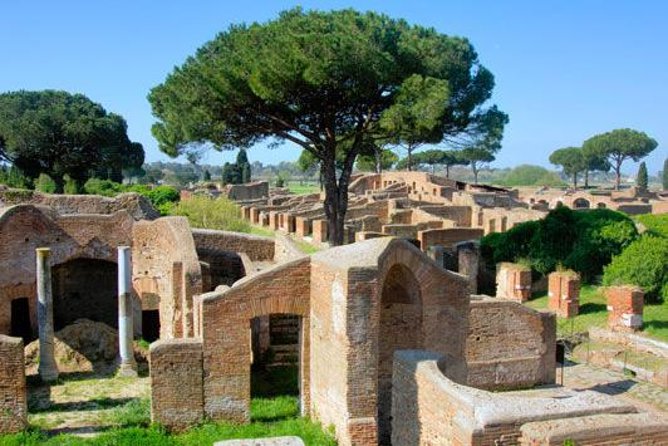
Ostia Antica is a large archaeological site, close to the modern town of Ostia, that is the location of the harbour city of ancient Rome, 15 miles (25 kilometres) southwest of Rome. "Ostia" (plur. of "ostium") is a derivation of "os", the Latin word for "mouth". At the mouth of the River Tiber, Ostia was Rome's seaport, but due to silting the site now lies 3 kilometres (2 miles) from the sea. The site is noted for the excellent preservation of its ancient buildings, magnificent frescoes and impressive mosaics. Ostia may have been Rome's first colonia. According to the legend Ancus Marcius, the semi-legendary fourth king of Rome, was the first to destroy Ficana, an ancient town that was only 17 km (11 mi) from Rome and had a small harbour on the Tiber, and then proceeded with establishing the new colony 10 km (6 mi) further west and closer to the sea coast. An inscription seems to confirm the establishment of the old castrum of Ostia in the 7th century BC. The oldest archaeological remains so far discovered date back to only the 4th century BC. The most ancient buildings currently visible are from the 3rd century BC, notably the Castrum (military camp); of a slightly later date is the Capitolium (temple of Jupiter, Juno and Minerva). The opus quadratum of the walls of the original castrum at Ostia provide important evidence for the building techniques that were employed in Roman urbanisation during the period of the Middle Republic.

Ancient Ostia (Ostia Antica) Tours and Tickets
🎧 Available audio guides (5)
Ostia Antica is a large archaeological site, close to the modern town of Ostia, that is the location of the harbour city of ancient Rome, 15 miles (25 kilometres) southwest of Rome. "Ostia" (plur. of "ostium") is a derivation of "os", the Latin word for "mouth". At the mouth of the River Tiber, Ostia was Rome's seaport, but due to silting the site now lies 3 kilometres (2 miles) from the sea. The site is noted for the excellent preservation of its ancient buildings, magnificent frescoes and impressive mosaics. Ostia may have been Rome's first colonia. According to the legend Ancus Marcius, the semi-legendary fourth king of Rome, was the first to destroy Ficana, an ancient town that was only 17 km (11 mi) from Rome and had a small harbour on the Tiber, and then proceeded with establishing the new colony 10 km (6 mi) further west and closer to the sea coast. An inscription seems to confirm the establishment of the old castrum of Ostia in the 7th century BC. The oldest archaeological remains so far discovered date back to only the 4th century BC. The most ancient buildings currently visible are from the 3rd century BC, notably the Castrum (military camp); of a slightly later date is the Capitolium (temple of Jupiter, Juno and Minerva). The opus quadratum of the walls of the original castrum at Ostia provide important evidence for the building techniques that were employed in Roman urbanisation during the period of the Middle Republic.
Overview
More Info
- Bring a hat and sunblock as the archaeological park is outdoors and the area gets hot in summer.
- Ancient Ostia is quite close to Rome, making a half-day tour an easy side trip.
- It takes about 2.5 hours to visit the archaeological park with a guide on foot, so wear comfortable clothes and shoes.
More Adventures for You


0$
0$
3000$
Price From
$54.40 USD
Escape to Ostia Antica and see why experts are calling it "The Better Pompeii". It is just a step away from Rome and you'll travel in a personalized small group with maximum 12 people! The perfect half day trip from Rome for those seeking to learn more about ancient Roman ruins but do not have time to travel to Pompeii. _en-US
Learn More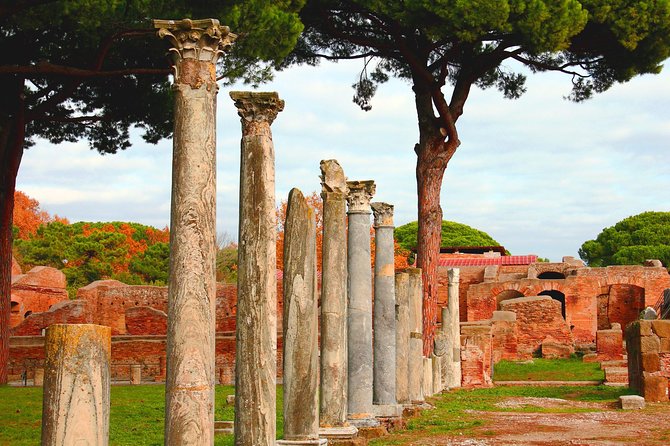
Price From
6.00 USD
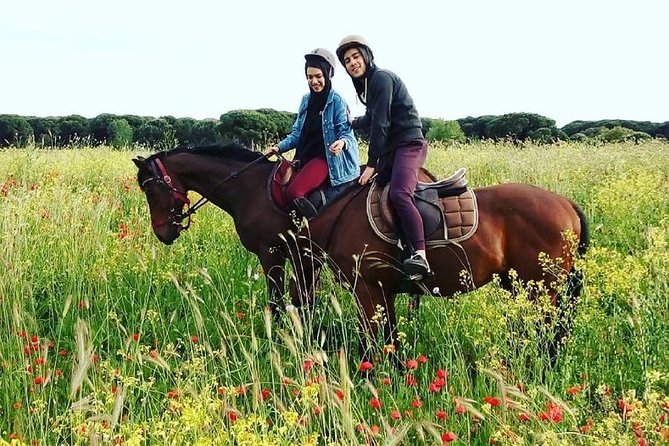
Meet a herd of rescued horses, you learn how to feed and grooming them, than we depart for the relaxing ride in the pinewood. It' not important if you are beginners or expert riders, you are always welcome! You help us to take care of the horses learning habits and beavours of the animals that live free in the pinewood. We introduce you with a short lesson before the ride and we start the adventure visiting some ruins of the Roman Empire on horseback for a relaxing and plesant experience with your special friends! Discover the biggest archaeological area of Europe on horseback! Ride with us in the Natural Reserve long charming lanscape, have fun an relax with well docile and trained horses to explore the wild side of Rome! Be a cowboy in Italy!_en-US
Learn More
Price From
$166.52 USD
Relive a piece of ancient Rome history, immersing yourself in this unique archaeological site on an unforgettable tour. The tour allows you to visit in depth a good part of this extraordinary archaeological site that covers about 50 hectares, in which ancient ruins and nature merge to create suggestive landscapes. Founded according to tradition by King Anco Marzio in a strategic area from the military and commercial point of view, Ostia was the first Roman colony, port of the city of Rome at the mouth of the Tiber river. Along the way you will be able to observe the grandiose theater dating back to the Augustan era, the Baths of Neptune and its mythological mosaics, the remains of the imposing Capitolium that towers over the Piazza del Foro and the famous insulae and tabernae. A unique archaeological site in the world where it is really possible to relive the daily life of the ancient Romans in a chronological span of 8 centuries._en-US
Learn More
Price From
$92.68 USD
Get out of the city and experience antiquity Not far from Rome, easy to reach by train, is a very special ancient city. We show you ancient Ostia, a once thriving city with a direct view of the sea. Because one has to say that both the Tiber and the sea coast have changed over the thousands of years. The city's location was so important in ancient times that Ostia became the capital's inland port. Goods from all over the Mediterranean came to Rome from here. In contrast to the ancient city of Pompeii, whose history ended in 79 AD, life in Ostia continued until late antiquity, which we can see in detail today in the archaeological park with the many remains of the city. Today you will experience the characteristic buildings of ancient city life with our German-speaking city guides. This includes many different shops, impressive villas, thermal baths, warehouses, tombs and even a theatre._en-US
Learn More
As you step back in time through the ancient ruins of Ostia Antica, you are immediately transported to a world of whispers from the past. The sun-drenched stones beneath your feet tell stories of merchants and sailors, families and soldiers who once walked these same cobblestone streets.
The first thing you notice is the scent of pine and sea salt carried on the gentle breeze, mingling with the earthy aroma of ancient stone. The sound of your footsteps echoes off the towering walls of crumbling temples and grandiose amphitheaters, creating a symphony of the past.
As you wander through the ruins, you can almost hear the laughter of children playing in the streets, the clatter of carts carrying goods to and from the bustling port, and the fervent prayers whispered in the shadow of ornate temples dedicated to long-forgotten gods.
Pause for a moment in the shade of a towering cypress tree, its branches reaching up to the clear blue sky above. Close your eyes and feel the warmth of the sun on your face, the gentle rustle of leaves in the wind, and the sense of peace that permeates this ancient place.
As you explore further, you come across a mosaic floor so intricately detailed that it takes your breath away. Each tile tells a story of its own, depicting scenes of everyday life in vivid color and exquisite detail. You can almost feel the hands that carefully placed each tile, the pride they took in creating something so beautiful.
In a quiet corner of the ruins, you stumble upon a small amphitheater bathed in golden light. Close your eyes and imagine the roar of the crowd, the clash of gladiators in mortal combat, and the triumphant cheers that once filled this hallowed space.
As the sun begins to sink lower in the sky, casting long shadows across the ancient stones, you feel a sense of reverence wash over you. This place, where the past is so palpable, where history whispers in every stone and every crumbling arch, has touched something deep within your soul.
As you bid farewell to Ostia Antica and begin your journey back to the present, you carry with you the echoes of the past, the stories of those who came before, and a newfound appreciation for the enduring power of history and memory.
Audio descriptive guides are not available at Ancient Ostia (Ostia Antica), Rome. Sensory-friendly hours are also not specifically designated at this site. However, visitors with sensory sensitivities may find that early mornings or late afternoons are less crowded and potentially more comfortable for a visit.
Ancient Ostia, located just outside of Rome, is a treasure trove of history and culture that offers a unique glimpse into the daily life of ancient Romans. Local writers and artists often find inspiration in the well-preserved ruins and the stories they tell.
One local writer, Alessandra, has spent countless hours wandering through the streets of Ancient Ostia, imagining the hustle and bustle of the city in its heyday. She describes the feeling of walking through the ruins as a surreal experience, where the past feels almost tangible. Alessandra often weaves the stories of ancient Ostia into her historical fiction novels, bringing the characters and setting to life for her readers.
For local artist Matteo, Ancient Ostia is a constant source of inspiration. He regularly sets up his easel among the ruins, capturing the play of light and shadow on the ancient walls and statues. Matteo’s paintings of Ancient Ostia have been exhibited in galleries around Rome, showcasing the beauty and grandeur of the once-thriving port city.
Both Alessandra and Matteo agree that Ancient Ostia holds a special place in their hearts, offering a connection to the past that is unparalleled. They encourage visitors to take their time exploring the ruins, allowing themselves to be transported back in time to a world very different from our own. Through their words and art, they hope to inspire others to appreciate the rich history and culture that Ancient Ostia has to offer.
To reach Ancient Ostia (Ostia Antica) from Rome, you have a few transportation options available, with a focus on accessibility:
1. Public Transportation:
- Metro: Take Metro Line B to the Piramide station. From there, transfer to the Roma-Lido train line and get off at the Ostia Antica station. The archaeological site is a short walk from the station.
- Bus: You can also take the Cotral bus from the Magliana station in Rome to Ostia Antica.
2. Shuttle Services:
- Some tour companies in Rome offer shuttle services to Ancient Ostia, which may include transportation and a guided tour of the site.
3. Private Tours:
- Consider booking a private car service or a guided tour that includes transportation to and from Ancient Ostia.
Ticket Booking and Discounts
- You can purchase entrance tickets to Ancient Ostia at the site’s ticket office or online through the official website.
- Discounts may be available for EU citizens under 18 or over 65 years old, teachers, and students under 25 with a valid ID. Make sure to bring your identification to qualify for any applicable discounts.
Local Amenities
- Parking: There is a paid parking lot near the entrance of Ancient Ostia for visitors arriving by car.
- Restrooms: Restroom facilities are available near the entrance for visitors’ convenience.
- Dining Options: There are cafes and restaurants in the area offering a range of dining options to cater to various dietary needs. Make sure to plan accordingly for meals during your visit.