

Dar es Salaam Attractions
Dar es Salaam, the bustling city on the coast of Tanzania, is a vibrant and diverse destination that offers a unique blend of cultural experiences, historical sites, and natural beauty. From the bustling markets and vibrant nightlife to the serene beaches and lush gardens, there is something for everyone in this dynamic city.
One of the highlights of a visit to Dar es Salaam is exploring its rich history and heritage. The city is home to several historical sites, including the National Museum and the Village Museum, which offer a fascinating glimpse into Tanzania’s past. Visitors can also explore the old colonial buildings in the city center and stroll through the lively Kariakoo Market, where they can sample local foods and shop for handmade crafts.
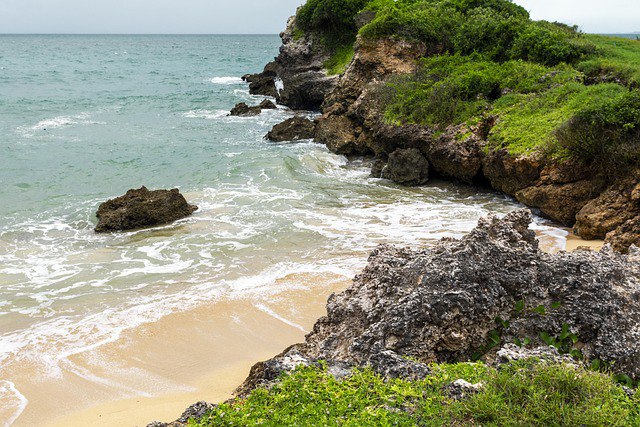
For those seeking relaxation and tranquility, Dar es Salaam is also home to some stunning beaches. From the picturesque Bongoyo Island to the peaceful Kigamboni Beach, there are plenty of options for soaking up the sun and enjoying the crystal-clear waters of the Indian Ocean. Visitors can also take a boat ride to nearby islands like Mbudya and Bongoyo for a day of snorkeling, swimming, and sunbathing.
In addition to its cultural and natural attractions, Dar es Salaam is also a modern and cosmopolitan city with a thriving arts and dining scene. The city boasts a number of art galleries, music venues, and theaters, where visitors can experience the vibrant local culture. And when it comes to food, Dar es Salaam offers a diverse range of dining options, from traditional Tanzanian dishes to international cuisine.
Whether you’re looking to immerse yourself in the city’s history and culture, relax on the beautiful beaches, or explore its modern and dynamic side, Dar es Salaam has something for every traveler. With its warm hospitality, stunning landscapes, and rich cultural heritage, this city is sure to inspire and enchant all who visit.

No attractions matches the filter
Dar es Salaam, the largest city and commercial hub of Tanzania, is gradually improving its accessibility for people with disabilities and seniors. While there is still work to be done, there are some initiatives in place to make the city more inclusive for all individuals.
1. Transportation: The city has made efforts to improve accessibility on public transportation. Some buses and taxis are equipped with ramps and designated spaces for wheelchair users. The government is working towards making all buses accessible in the near future.
2. Sidewalks and Crosswalks: Despite some uneven surfaces and lack of curb cuts in certain areas, there are ongoing projects to improve sidewalks and crosswalks for better accessibility. There are also pedestrian bridges in heavily trafficked areas to assist with crossing the road.
3. Buildings and Facilities: Many newer buildings and facilities in Dar es Salaam have been designed with accessibility in mind. This includes ramps, elevators, and accessible restrooms. However, older buildings may still lack these features.
4. Awareness and Advocacy: There are a number of organizations and groups in Dar es Salaam that focus on advocating for the rights of people with disabilities and seniors. These groups work to raise awareness about accessibility issues and push for improvements in the city.
5. Technology: The use of technology, such as mobile apps and websites, can also help promote accessibility in Dar es Salaam. These tools can provide information on accessible routes, services, and facilities in the city.
Overall, while there are still challenges to overcome, Dar es Salaam is taking steps to improve accessibility for people with disabilities and seniors. Continued advocacy, awareness, and investment in infrastructure are crucial to creating a more inclusive and accessible city for all individuals.
City Info and Accessibility
Dar es Salaam, the largest city in Tanzania, is generally considered safe for tourists, but as with any destination, it is important to take certain precautions to ensure a safe and enjoyable trip. Some safety tips for visitors to Dar es Salaam include:
1. Be cautious of your surroundings, especially in crowded areas or tourist spots.
2. Avoid displaying expensive items such as jewelry or cameras in public.
3. Use reputable transportation options, such as taxis or hotel shuttles, especially at night.
4. Be cautious when using ATMs and only use machines located in secure, well-lit areas.
5. Keep a copy of your passport and important documents in a safe place, and leave the originals in a secure location.
The common languages spoken in Dar es Salaam are Swahili and English. Swahili is the national language of Tanzania, and English is widely used in business, government, and education.
The best time to visit Dar es Salaam is during the dry season, which typically runs from June to October. This is when the weather is the most pleasant, with lower humidity levels and cooler temperatures. The wet season, which lasts from November to May, can bring heavy rains and high humidity, making it less ideal for travel.
Overall, by following common sense safety tips and being aware of your surroundings, visitors can enjoy a safe and rewarding experience in Dar es Salaam.
 Public Transport Accessibility
7/10
Public Transport Accessibility
7/10
 Airport Accessibility
7/10
Airport Accessibility
7/10
 Common Accessibility
7/10
Common Accessibility
7/10
Dar es Salaam, the commercial capital of Tanzania, offers a variety of accommodation options suitable for all types of travelers. When choosing where to stay in Dar es Salaam, consider factors such as proximity to tourist attractions, restaurants, and shopping centers.
### Best Areas to Stay:
1. **City Center**: Ideal for business travelers and those looking to be in the heart of the city. Here, you’ll find numerous hotels, restaurants, and shops within walking distance.
2. **Masaki Peninsula**: A more upscale area with luxury hotels, upscale restaurants, and a beautiful waterfront. Great for those looking for a more exclusive and serene stay.
3. **Oyster Bay**: Known for its leafy streets and upscale accommodation options, Oyster Bay is a peaceful and safe area to stay. It offers a mix of luxury hotels and boutique guesthouses.
4. **Kivukoni**: Ideal for budget travelers, this area offers affordable accommodation options close to the harbor, making it convenient for those planning to take ferries to nearby islands.
### Accommodation Options:
1. **Budget Accommodation**:
- **Hostels**: Ideal for backpackers and budget travelers, Dar es Salaam has a range of hostels offering affordable dormitory and private room options.
- **Guesthouses**: These are budget-friendly accommodations offering basic amenities and a more personalized experience.
2. **Mid-Range Accommodation**:
- **3-star Hotels**: Dar es Salaam has a variety of mid-range hotels that offer comfortable rooms and good facilities without breaking the bank.
- **Serviced Apartments**: Suitable for longer stays, serviced apartments provide more space and the convenience of self-catering facilities.
3. **Luxury Accommodation**:
- **5-star Hotels and Resorts**: For those looking for luxury and top-notch services, Dar es Salaam boasts a selection of 5-star hotels and resorts with lavish amenities and exceptional hospitality.
### Accessible Accommodations:
1. **Hotels with Accessibility Features**: Some hotels in Dar es Salaam offer accessible rooms with features such as grab bars, ramps, and widened doorways to accommodate seniors and guests with disabilities.
2. **Serviced Apartments**: Consider staying in a serviced apartment as they often provide more accessible and spacious living arrangements compared to traditional hotel rooms.
3. **Contact Hotels Directly**: When booking accommodation, it’s recommended to contact the hotel directly to inquire about specific accessibility features and ensure they can cater to your needs.
Overall, Dar es Salaam offers a range of accommodation options to suit different preferences and budgets, making it an accessible and welcoming destination for all travelers, including seniors and individuals with disabilities.
Dar es Salaam, the largest city in Tanzania, offers a range of transportation options to help you get around the city. Here is a breakdown of the different transportation options available in Dar es Salaam:
1. Airport Transfers:
- The Julius Nyerere International Airport is the main airport serving Dar es Salaam. Upon arrival, you can easily find taxis, shuttle services, and car rental options outside the terminal building.
- Taxis are a convenient way to get from the airport to your accommodation. Make sure to negotiate the fare before getting in the taxi. A typical fare from the airport to the city center is around $15-$20.
- Shuttle services are also available and can be pre-booked or arranged upon arrival. They offer a more affordable option for airport transfers.
- Car rental companies such as Avis, Budget, and Europcar operate at the airport for those who prefer to drive themselves around the city.
2. Public Transport:
- Daladalas are the main form of public transport in Dar es Salaam. These are minivans or buses that travel fixed routes around the city. The fare is typically paid in cash to the conductor onboard.
- Bajajis, or three-wheeled auto-rickshaws, are also a popular mode of transport for short distances. Make sure to negotiate the fare before starting the journey.
- Buses operated by the Dar es Salaam Commuter Bus Agency (DART) provide a more organized and efficient way to travel around the city. They have designated routes and fixed fares.
3. Senior and Disability Accessible Transportation:
- While public transport in Dar es Salaam may not always be fully accessible to seniors or people with disabilities, some buses operated by DART are equipped with ramps and designated seats for passengers with disabilities.
- Taxis and shuttle services are a more convenient option for seniors or individuals with disabilities, as they provide door-to-door service and can accommodate special needs.
4. Navigating the City:
- Dar es Salaam can be a bustling and chaotic city, so it’s important to plan your route and transportation options in advance.
- Google Maps is a useful tool for navigating the city and finding the best routes for public transport or driving.
- To avoid traffic congestion, try to travel during off-peak hours, especially during rush hour in the mornings and evenings.
- Be prepared for some delays and traffic jams, especially in the city center and along major roads.
- It’s advisable to carry small change for fares when using public transport, as drivers and conductors may not always have change for larger denominations.
By utilizing these transportation options and following these tips, you can navigate Dar es Salaam efficiently and explore all that the city has to offer.
1. Dar es Salaam Zoo: This zoo is home to a variety of animals, including giraffes, lions, monkeys, and birds. It offers a fun and educational experience for children and adults alike.
2. Slipway Waterfront: This waterfront area offers a range of activities for families, including boat rides, playgrounds, and various dining options overlooking the ocean.
3. Kigamboni Beach: Located across the Kigamboni Ferry, this beach is a popular destination for families looking to enjoy a day by the sea. It offers clean sand, shallow waters, and opportunities for swimming and picnicking.
4. Coco Beach: Another popular beach in Dar es Salaam, Coco Beach is known for its lively atmosphere and diverse activities such as beach volleyball, swimming, and water sports.
5. Mlimani City Shopping Mall: This mall features a cinema, arcade games, and a variety of restaurants and shops, making it a great spot for families looking to spend a day indoors.
6. Oyster Bay Shopping Centre: This shopping center offers a range of family-friendly activities, including a children’s play area, outdoor seating, and various dining options.
7. Mbudya Island: A short boat ride from Dar es Salaam, Mbudya Island is a peaceful escape with white sandy beaches, clear waters, and opportunities for snorkeling and picnicking.
8. Village Museum: This open-air museum showcases traditional Tanzanian homes and cultural practices, providing an educational experience for children and families.
9. Kunduchi Wet ’N’ Wild Water Park: This water park offers a range of slides, pools, and other water attractions, making it a perfect destination for families seeking some fun in the sun.
10. Dar es Salaam Botanical Gardens: These gardens provide a serene environment for families to explore and enjoy nature, with a variety of plants, trees, and walking paths to discover.
Dar es Salaam, the largest city in Tanzania, offers a rich tapestry of cultural experiences, local festivals, hidden gems, vibrant nightlife, and diverse entertainment options that cater to both locals and visitors alike.
Cultural Experiences:
- The National Museum of Tanzania is a must-visit for those interested in the country’s history and culture. It houses a collection of artifacts, artworks, and exhibits that showcase Tanzania’s diverse heritage.
- The Tinga Tinga Arts Cooperative Society is a great place to learn about and purchase traditional Tanzanian art, particularly the colorful and vibrant Tinga Tinga paintings.
- For a taste of traditional Tanzanian cuisine, head to the local markets such as Kariakoo Market or Mwenge Woodcarvers Market, where you can sample local delicacies and shop for handmade crafts.
Local Festivals:
- The Dar es Salaam International Trade Fair is a popular event that attracts exhibitors from around the world, showcasing a wide range of products and services.
- Sauti za Busara is a renowned music festival held in Zanzibar, just a short ferry ride away from Dar es Salaam, featuring a lineup of local and international artists performing a blend of traditional and contemporary African music.
Hidden Gems:
- The Kunduchi Wet ’n’ Wild Water Park is a hidden gem for those looking to have some fun in the sun. It offers water rides, pools, and other recreational activities for visitors of all ages.
- Mzizima Fish Market is a bustling hub of local activity where you can witness fishermen bringing in their daily catch and purchase fresh seafood directly from the source.
Nightlife:
- Coco Beach is a popular spot for locals and tourists alike to unwind and enjoy the city’s vibrant nightlife. There are several bars, restaurants, and clubs along the beach where you can dance, drink, and socialize.
- The Slipway is another hotspot for nightlife, offering a variety of dining options, live music performances, and a stunning view of the ocean.
Entertainment:
- For a dose of culture, catch a performance at the National Theatre or the Alliance Française, both of which host a range of cultural events including plays, concerts, and exhibitions.
- If you’re in the mood for some retail therapy, head to Mlimani City Shopping Mall or Sea Cliff Village, where you can shop for local and international brands, watch a movie, or enjoy a meal at one of the many eateries.
With its diverse cultural offerings, lively festivals, hidden gems, vibrant nightlife scene, and varied entertainment options, Dar es Salaam has something for everyone to enjoy and explore.
1. Budget-friendly: Mama’s Kitchen - A popular spot for locals and visitors alike, Mama’s Kitchen offers a variety of affordable Tanzanian dishes in a casual setting.
2. Fine dining: The Slipway - Located by the water, The Slipway offers a more upscale dining experience with a diverse menu that includes seafood, steaks, and international cuisine.
3. Allergy-friendly: Epi d’Or - This French bakery and cafe in Dar es Salaam offers a range of gluten-free and allergen-friendly options, including pastries, cakes, and sandwiches.
4. Dietary-conscious: Green Room Cafe - A cozy cafe in Oysterbay, Green Room Cafe offers a variety of vegetarian, vegan, and gluten-free options, as well as fresh juices and smoothies.
5. Local cuisine: Lukmaan Restaurant - For a taste of authentic Tanzanian cuisine, head to Lukmaan Restaurant in the city center, where you can try local dishes like pilau, biryani, and samosas.
Here are some essential tips for travelers visiting Dar es Salaam:
Currency Exchange:
1. The official currency of Tanzania is the Tanzanian Shilling (TZS). It is recommended to exchange your currency into Tanzanian Shillings upon arrival in Dar es Salaam.
2. ATMs are widely available in Dar es Salaam, and major credit and debit cards are accepted in most hotels, restaurants, and shops in urban areas.
3. It is advisable to carry some cash in small denominations for tipping and transportation as smaller establishments may not always accept cards.
Financial Tips:
1. Bargaining is common in local markets and shops, so don’t be afraid to negotiate prices, especially when buying souvenirs or taking taxis.
2. Make sure to keep your valuables secure and be cautious of pickpockets, especially in crowded areas and public transport.
3. Be mindful of your spending and avoid flaunting expensive jewelry or electronic devices to reduce the risk of theft.
Local Laws and Customs:
1. Respect the local culture and customs by dressing modestly, especially when visiting religious sites or rural areas.
2. Homosexuality is illegal in Tanzania, and public displays of affection are not culturally acceptable.
3. It is important to obtain necessary permits and follow regulations when engaging in activities such as wildlife safaris or visiting national parks.
Etiquette:
1. Greetings are an essential part of Tanzanian culture, so it is polite to say \"Jambo\" (hello) when meeting someone for the first time.
2. Always ask for permission before taking photos of locals, especially in rural areas where people may be more traditional.
3. It is customary to remove your shoes before entering someone’s home or a place of worship.
Safety Advice:
1. Be cautious of your surroundings, especially in busy areas and at night, and avoid carrying large sums of cash or displaying valuable items.
2. Use reputable transportation options, such as licensed taxis or rideshare services, and avoid traveling alone in isolated areas.
3. Stay informed about current events and any travel advisories for Tanzania to ensure a safe and enjoyable trip.
By following these essential tips for travelers in Dar es Salaam, you can have a smooth and unforgettable experience exploring this vibrant city and its rich cultural heritage.