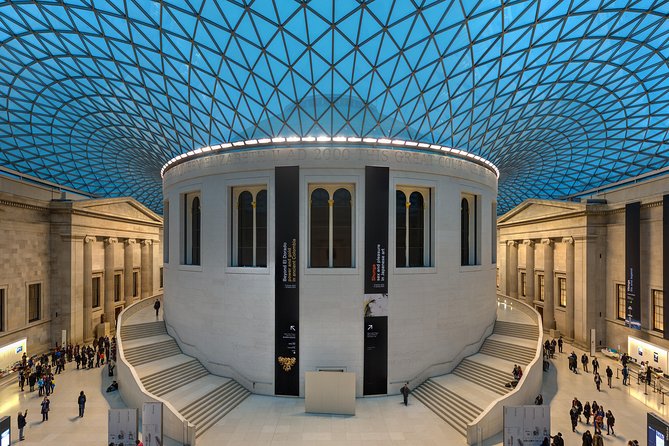
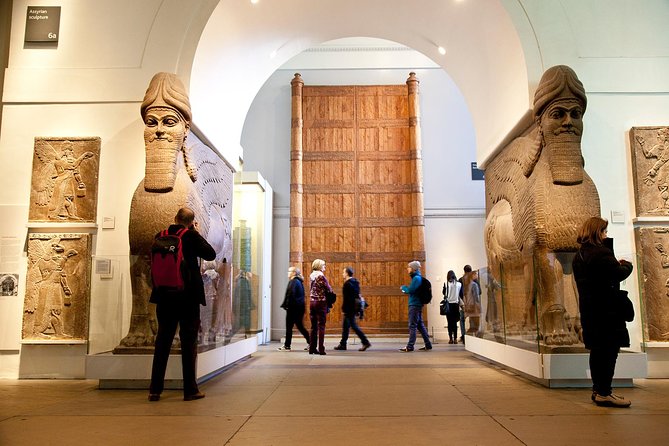
The British Museum is a public museum dedicated to human history, art, and culture located in the Bloomsbury area of London. Its permanent collection of eight million works is among the largest and most comprehensive. It documents the story of human culture from its beginnings to the present. The British Museum was the first public national Museum in the world.
The Museum was established in 1753, primarily based on the collections of the Anglo-Irish physician and scientist Sir Hans Sloane. It first opened to the public in 1759, in Montagu House, on the current building site. The Museum's expansion over the following 250 years was essentially a result of British colonization and has created several branch institutions, or independent spin-offs, the first being the Natural History Museum in 1881.
In 1973, the British Library Act 1972 detached the library department from the British Museum. Still, it continued to host the now separated British Library in the same Reading Room and building as the Museum until 1997. The Museum is a non-departmental public body sponsored by the Department for Digital, Culture, Media, and Sport. As with all national museums in the UK, it charges no admission fee except for loan exhibitions.
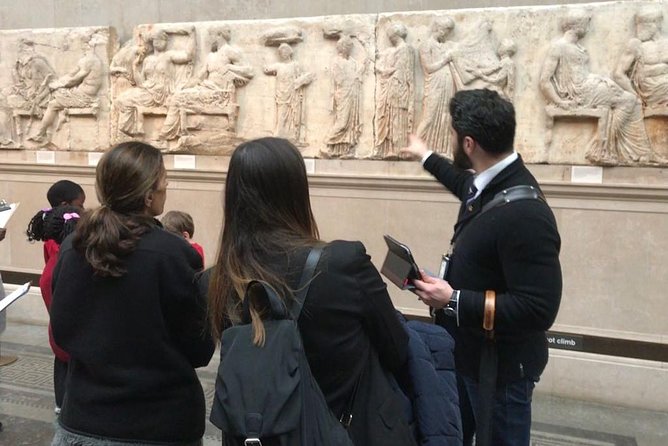
Its ownership of a small percentage of its most famous objects originating in other countries is disputed. It remains the subject of international controversy through repatriation claims, most notably in the Elgin Marbles of Greece,[and the Rosetta Stone of Egypt.