

The Catacombs of Rome (Italian: Catacombe di Roma) are ancient catacombs, underground burial places under Rome, Italy, of which there are at least forty, some discovered only in recent decades. Though most famous for Christian burials, either in separate catacombs or mixed together, people of all the Roman religions are buried in them, beginning in the 2nd century AD, mainly as a response to overcrowding and shortage of land. The Etruscans, like many other European peoples, used to bury their dead in underground chambers. The original Roman custom was cremation, after which the burnt remains were kept in a pot, ash-chest or urn, often in a columbarium. From about the 2nd century AD, inhumation (burial of unburnt remains) became more fashionable, in graves or sarcophagi, often elaborately carved, for those who could afford them. Christians also preferred burial to cremation because of their belief in bodily resurrection at the Second Coming. The Park of the Caffarella and Colli Albani (Rome Metro) are nearby. The Christian catacombs are extremely important for the art history of Early Christian art, as they contain the great majority of examples from before about 400 AD, in fresco and sculpture, as well as gold glass medallions (these, like most bodies, have been removed). The Jewish catacombs are similarly important for the study of Jewish culture at this period. A number of dubious relics of catacomb saints were promoted after the rediscovery of the catacombs.

Catacombs of Rome (Catacombe di Roma) Tours and Tickets
🎧 Available audio guides (15)
The Catacombs of Rome (Italian: Catacombe di Roma) are ancient catacombs, underground burial places under Rome, Italy, of which there are at least forty, some discovered only in recent decades. Though most famous for Christian burials, either in separate catacombs or mixed together, people of all the Roman religions are buried in them, beginning in the 2nd century AD, mainly as a response to overcrowding and shortage of land. The Etruscans, like many other European peoples, used to bury their dead in underground chambers. The original Roman custom was cremation, after which the burnt remains were kept in a pot, ash-chest or urn, often in a columbarium. From about the 2nd century AD, inhumation (burial of unburnt remains) became more fashionable, in graves or sarcophagi, often elaborately carved, for those who could afford them. Christians also preferred burial to cremation because of their belief in bodily resurrection at the Second Coming. The Park of the Caffarella and Colli Albani (Rome Metro) are nearby. The Christian catacombs are extremely important for the art history of Early Christian art, as they contain the great majority of examples from before about 400 AD, in fresco and sculpture, as well as gold glass medallions (these, like most bodies, have been removed). The Jewish catacombs are similarly important for the study of Jewish culture at this period. A number of dubious relics of catacomb saints were promoted after the rediscovery of the catacombs.
Overview
More Info
- Due to the site's delicate nature, travelers cannot visit the catacombs independently; all visits must be part of a guided group or private tour.
- Tours and group visits can be arranged upon arrival at the most popular catacombs, but visits must be booked in advance to the less-visited spots.
- Catacomb tours are not recommended for travelers who get claustrophobic.
- Catacombs are holy places, so all guests should cover their shoulders and thighs; you may want to bring a light jacket, too, as it can get cold underground.
- The Catacombs of Rome are not wheelchair or stroller accessible.
More Adventures for You


0$
0$
3000$

Price From
$53.29 USD
This underground tour of the Catacombs takes you deeper into the unusual history of Rome, far below its busy streets and towering monuments to the concealed side of this ancient city. The itinerary includes some of the most uncommon and mysterious sites of the Eternal City. Panoramic open bus bring you from the city center to the Rome underground venue of the catacombs. This extensive network of tunnels snaking underground was once both a burial ground and a place of worship for the first Christians in Rome. With an expert guide you’ll explore and hear the fascinating history of these sacred places. _en-US
Learn More
Price From
6.00 USD
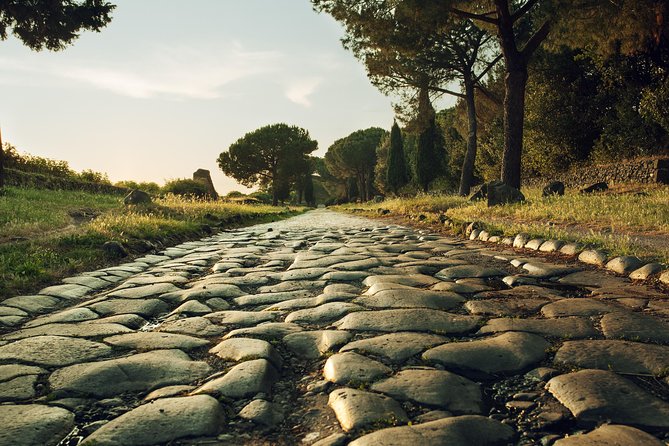
Embark on an intriguing journey exploring the "Secrets Below Rome" with our private driver tour of the Catacombs and Ancient Appian Way. Enjoy the convenience of hotel pick-up as you venture into the depths of Rome's history. Porta San Sebastiano: Ancient gate, Aurelian Walls. Catacombs of San Callisto: On a guided group tour, explore the labyrinthine catacombs, where popes and martyrs were buried over 1,800 years ago. Appian Way, one of the oldest and most important roads of the Roman Empire. Church of Domine Quo Vadis: Visit this sacred site where Saint Peter is said to have had his encounter with Christ. The church is home to the legendary footprints of Christ and offers a peaceful moment for reflection. Chiesa del Domine Quo Vadis The Church of Domine Quo Vadis, According to tradition, this is where Saint Peter, fleeing persecution in Rome, encountered a vision of Christ. _en-US
Learn More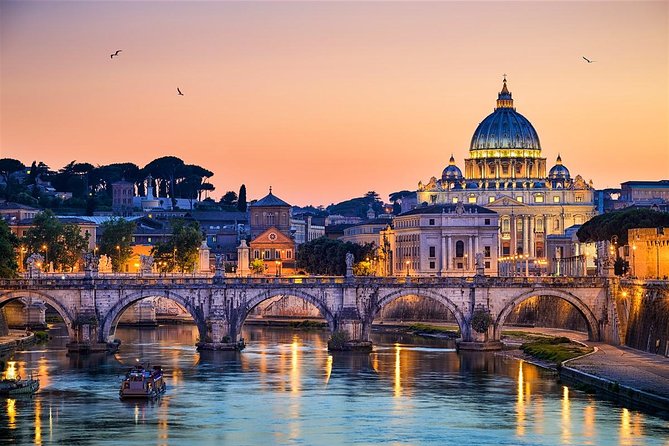
Price From
$346.91 USD
Soak up the history and culture of Rome, during this full-day shore excursion including Civitavecchia Port pickup and drop-off, a private English Speaking driver, and transportation by air-conditioned minivan. Customize the day based on your interests with possible stops at the Colosseum (FROM THE OUTSIDE ONLY, IF YOU WANT TO ENTER IT, TICKETS ARE NEEDED TO BE PREBOOKED SO LET US KNOW AT THE TIME OF THE BOOKING), Circus Maximus, Palatine Hill, the Pantheon, Trevi Fountain, Spanish Steps, Victor Emmanuel Monument, St. Peter’s Square, and the Catacombs ancient burial site. You’ll enjoy a leisurely lunch before heading back to the port to board your cruise ship. Monument tickets can be purchased in advance with an upgrade after booking._en-US
Learn More
Price From
1.00 USD
Enjoy a journey in the past...The Christians of Rome began to excavate their own community cemeteries (known today as ‘catacombs’) at the beginning of the second half of the 2nd century AD, when a few wealthy families, having been converted to the Christian faith, donated their lands to the Church._en-US
Learn More
For Individuals with Hearing Loss
- Video Guide
Access for Seniors
- Access with Portable Ramp
- Physical difficulty level - 4
Accessibility for wheels
- Access with Portable Ramp
- Can have severe slope, cobblestones, and/or gravel
- Bathroom: Too narrow for wheelchair
- Wide doors >= 75 cm and < 90 cm
Access for Visually Impaired
- Audio Guide
- Place has Special Guide Service
- Service animals permitted
As you descend into the depths of the Catacombs of Rome, the air grows cool and musty, sending a shiver down your spine. The dimly lit tunnels stretch out before you, lined with ancient stone tombs and eerie echoes of the past.
You can feel the weight of history pressing down on you as you walk among the remains of the long-departed. The walls whisper tales of the lives that once filled these corridors – stories of love and loss, faith and devotion.
You pause before a small alcove, where a flickering candle casts a soft glow on the weathered stone. The scent of incense fills the air, mingling with the damp earthiness of the catacombs. You can almost hear the faint murmurs of prayers long since spoken, carried on the stillness of the underground chambers.
As you continue on your journey, the shadows seem to dance around you, playing tricks on your senses. A sudden gust of wind sends a chill through the tunnels, causing the torches to flicker and sway. In that moment, you can almost imagine the spirits of the past stirring in their eternal slumber, reaching out to touch the living world once more.
But as you reach the end of your visitation, a sense of peace washes over you. The quiet solemnity of the catacombs envelops you like a comforting embrace, reminding you of the resilience of the human spirit in the face of mortality.
And as you emerge back into the sunlight, blinking against the brightness of the world above, you carry with you the echoes of the past – a reminder of the interconnectedness of all things, and the enduring power of memory and reverence.
The Catacombs of Rome do not offer audio descriptive guides or sensory-friendly hours. However, they do provide guided tours that may be helpful for visitors with accessibility needs. It is recommended to contact the Catacombs directly to inquire about specific accommodations that may be available for visitors with disabilities.
The Catacombs of Rome are a fascinating and eerie labyrinth of underground burial chambers that hold great historical and religious significance. Local writers and artists in Rome are particularly drawn to these ancient catacombs for their mysterious and haunting atmosphere, as well as the rich stories they hold within their walls.
One local artist, Alessandra, finds inspiration in the catacombs’ dark corridors and intricate frescoes that depict biblical scenes. She often visits to sketch and capture the unique ambiance of these underground passages, which she describes as a blend of reverence and spookiness.
Local writer, Marco, is intrigued by the catacombs’ role in early Christianity and the way they served as hiding places for persecuted Christians. He delves into the history of these underground tunnels, imagining the lives of the people who sought refuge within them and the religious ceremonies that took place in secret.
For many locals, the Catacombs of Rome are not just a tourist attraction, but a place of contemplation and connection to the city’s ancient past. These underground burial sites have served as a source of inspiration for countless artists and writers, who continue to explore their mysteries and share their stories with the world.
### Catacombs of Rome (Catacombe di Roma), Rome: Directions and Transportation
The Catacombs of Rome are located outside the city center, so here are some transportation options to help you get there:
- Public Transportation: You can take a bus or metro to reach the Catacombs of Rome. The nearest metro station is San Giovanni (Line A), and from there you can take a bus to the catacombs.
- Taxi or Ride-Sharing: You can also opt for a taxi or a ride-sharing service to get to the Catacombs of Rome. Make sure to confirm the fare with the driver before starting your journey.
- Accessibility: If you require special assistance or have accessibility needs, it’s recommended to contact the catacombs in advance to make necessary arrangements.
### Catacombs of Rome (Catacombe di Roma), Rome: Ticket Booking and Discounts
To book tickets for the Catacombs of Rome, you can visit their official website or purchase them on site. Some discounts may be available for students, seniors, or groups, so it’s worth inquiring about any deals before purchasing your tickets.
### Catacombs of Rome (Catacombe di Roma), Rome: Local Amenities
- Parking: There is usually parking available near the Catacombs of Rome, but it can get crowded during peak hours. Make sure to arrive early to secure a parking spot.
- Restrooms: Restroom facilities are typically available on site for visitors to use.
- Dining Options: While there may not be many dining options directly near the catacombs, you can find cafes and restaurants in the surrounding areas. Make sure to check for any dietary restrictions or preferences before choosing a place to eat.