

Yosemite Accessible Wheelchair & Scooter Explorer Tour
Wheelchair-Friendly Adventures in Yosemite National Park, CA!
Tunnel View
Why Visit?
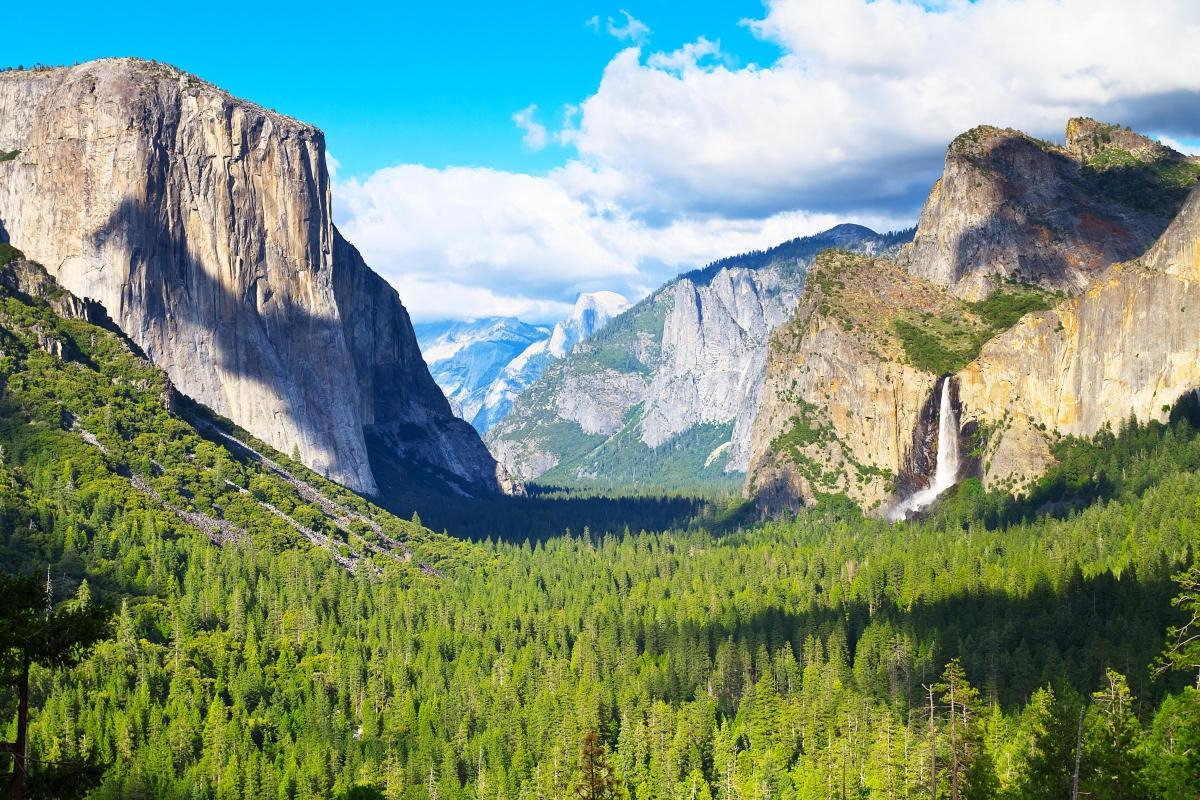
Explore the Majestic Tunnel View – A Wheelchair-Friendly Adventure in Yosemite National Park
Morning Arrival: Start your day early by heading to Yosemite National Park. Before reaching Tunnel View, make a stop at the Yosemite Valley Visitor Center to pick up your Access Pass, which is free for visitors with disabilities. This pass offers access to all the park"s shuttle buses that are wheelchair accessible.
Getting to Tunnel View: From Yosemite Valley, take the Wawona Road (Highway 41) towards the south entrance. The journey to Tunnel View is scenic, so keep your camera ready! The viewpoint has recently been enhanced to include accessible parking spaces and paved routes, ensuring that everyone, regardless of mobility, can soak in the iconic vistas.
Experience Tunnel View: Once you arrive, navigate your way to the main viewing platform. From this vantage point, you’ll be treated to an awe-inspiring panorama of Yosemite Valley, El Capitan, Bridalveil Fall, and Half Dome. It’s a picture-perfect scene that Ansel Adams famously captured in his black-and-white photographs.
Lunch with a View: Pack a picnic lunch to enjoy at one of the nearby accessible picnic areas, surrounded by the breathtaking beauty of Yosemite. The serene environment makes for a relaxing lunch spot.
Afternoon Exploration: Post lunch, consider a visit to the Yosemite Museum or attend a ranger-led program. Check the schedule in advance as the park offers several accessible programs that delve into the natural and cultural history of Yosemite.
Departure: As the day winds down, take the shuttle bus or your vehicle back to Yosemite Valley or your accommodation. Reflect on a day well spent amidst nature’s grandeur.
Interesting Fact: Tunnel View"s overlook was built in 1933 and has since been a spot where millions capture the timeless beauty of Yosemite, just as captivating today from a wheelchair or scooter as it is on foot. Enjoy the majestic views and natural wonders at your own pace, creating memories that will last a lifetime.
Wheelchair-Friendly Tips: Check for specific amenities and accessibility features relevant to wheelchair-friendly travelers.
Yosemite Falls
Why Visit?
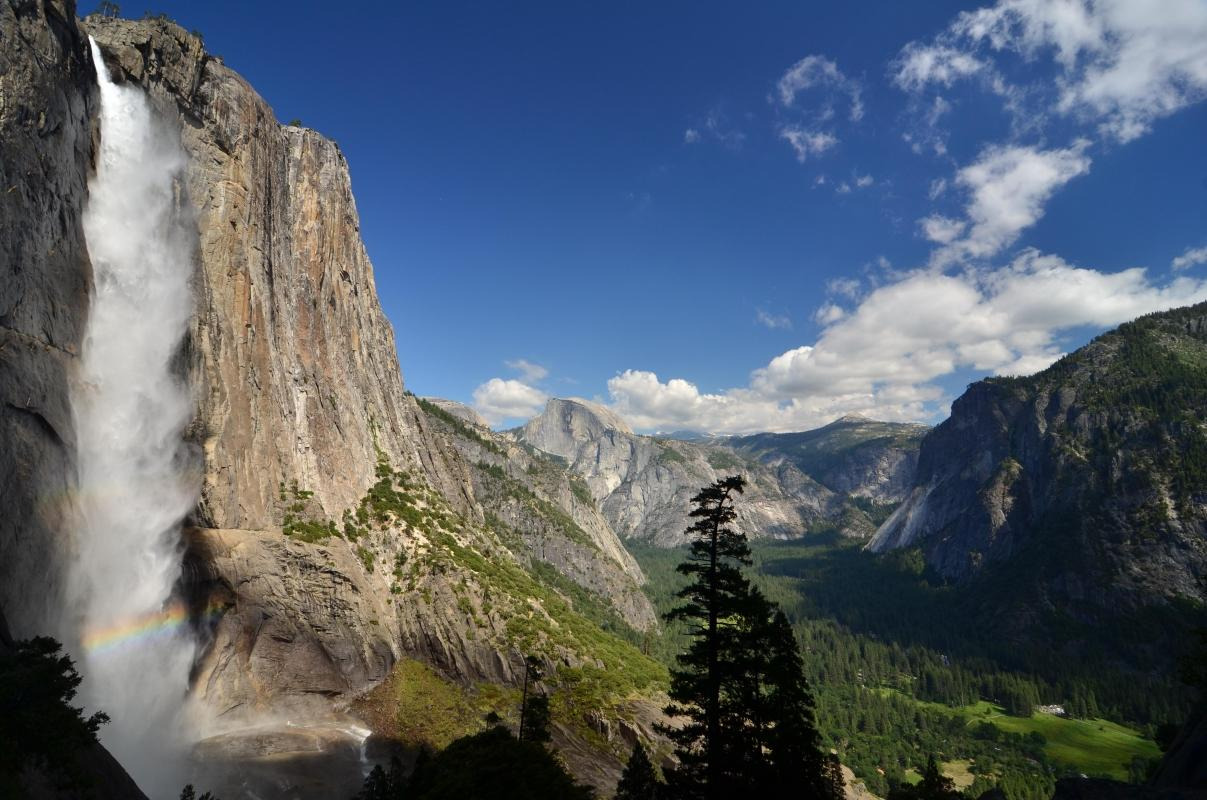
Embark on an awe-inspiring journey to Yosemite Falls, one of the tallest waterfalls in North America, nestled in the heart of Yosemite National Park. This wheelchair-accessible adventure promises breathtaking views and memorable experiences.
Getting There
Start your day early by heading to Yosemite National Park. The park is well-equipped for visitors with disabilities, providing accessible parking and restrooms. Once at the park, navigate to Yosemite Valley, where you will find designated accessible parking spots near Yosemite Valley Lodge. From here, the majestic Yosemite Falls is just a short, scenic stroll away.
Exploring Yosemite Falls
Yosemite Falls, comprised of Upper Yosemite Fall, the middle cascades, and Lower Yosemite Fall, soars to a staggering height of 2,425 feet. For a fully accessible experience, head to the base of Lower Yosemite Fall. The trail to this part of the falls is a well-maintained, one-mile loop that is wheelchair and scooter-friendly. Paved and mostly flat, it offers stunning views of both the upper and lower sections of the waterfall.
As you approach the falls, feel the mist on your face and listen to the thunderous roar of water plunging down the cliffside. Panels along the trail offer fascinating insights into the natural and cultural history of the area, enhancing your understanding of this natural wonder.
Interesting Facts
- Yosemite Falls is not only known for its height but also for its seasonal variability. The flow is most robust in late spring when the snow melts, sometimes dwindling to a trickle by late summer.
- The area around Yosemite Falls has been a central spiritual site for the Ahwahneechee people for centuries.
Accessibility Tips
- During peak season, consider using the free Yosemite Valley shuttle system, which is fully accessible and stops near major attractions, including Yosemite Falls.
Complete your tour with a relaxing break at the nearby Yosemite Valley Lodge, where you can grab a bite while soaking in the views of the surrounding valley. This expedition to Yosemite Falls promises not only accessibility but an immersion into the natural beauty and grandeur of one of America"s finest landscapes.
Wheelchair-Friendly Tips: Check for specific amenities and accessibility features relevant to wheelchair-friendly travelers.
Yosemite Valley

Why Visit?
Wheelchair-Friendly Tour of Yosemite Valley
Day 1
Arrival & Yosemite Valley Visitor Center
Start your Yosemite adventure by entering through the Arch Rock Entrance for smoother access. Head straight to the Yosemite Valley Visitor Center to pick up a free park accessibility guide. The center itself is equipped with exhibits and a theater that are wheelchair accessible, offering a perfect introduction to the park"s natural wonders.
Lower Yosemite Fall Trail
Post-visitor center, make your way to the Lower Yosemite Fall Trail. This short, paved loop (1-mile round trip) is fully accessible and provides stunning views of both the upper and lower sections of Yosemite Falls, the tallest waterfall in North America. The roar of the falls is invigorating, and the mist on your face feels refreshing.
Day 2
Mirror Lake
On your second day, take a scenic, accessible bus ride to Mirror Lake’s trailhead. This serene spot offers a relatively flat route that leads to a beautiful lake that perfectly reflects the surrounding cliffs. The trail is mostly flat and paved, although there might be some rough patches, so a powered wheelchair or scooter is recommended.
Majestic Yosemite Hotel
Wrap up your visit with a meal or a drink at the Majestic Yosemite Hotel (formerly the Ahwahnee Hotel). The dining room and main public areas are wheelchair accessible, offering a taste of luxury amidst the wild. Don"t miss the grand fireplace and the Native American artwork on display.
Departure
Make your way back, perhaps with a final glance at the towering granite cliffs and verdant valleys that define Yosemite Valley. Remember, the park offers free shuttle buses that are wheelchair accessible, making it easier to navigate between these stunning attractions. Each season offers a unique palette of colors and experiences, so every visit promises something new for the senses.
Wheelchair-Friendly Tips: Check for specific amenities and accessibility features relevant to wheelchair-friendly travelers.
Half Dome
Why Visit?
Exploring Half Dome: A Wheelchair-Friendly Journey
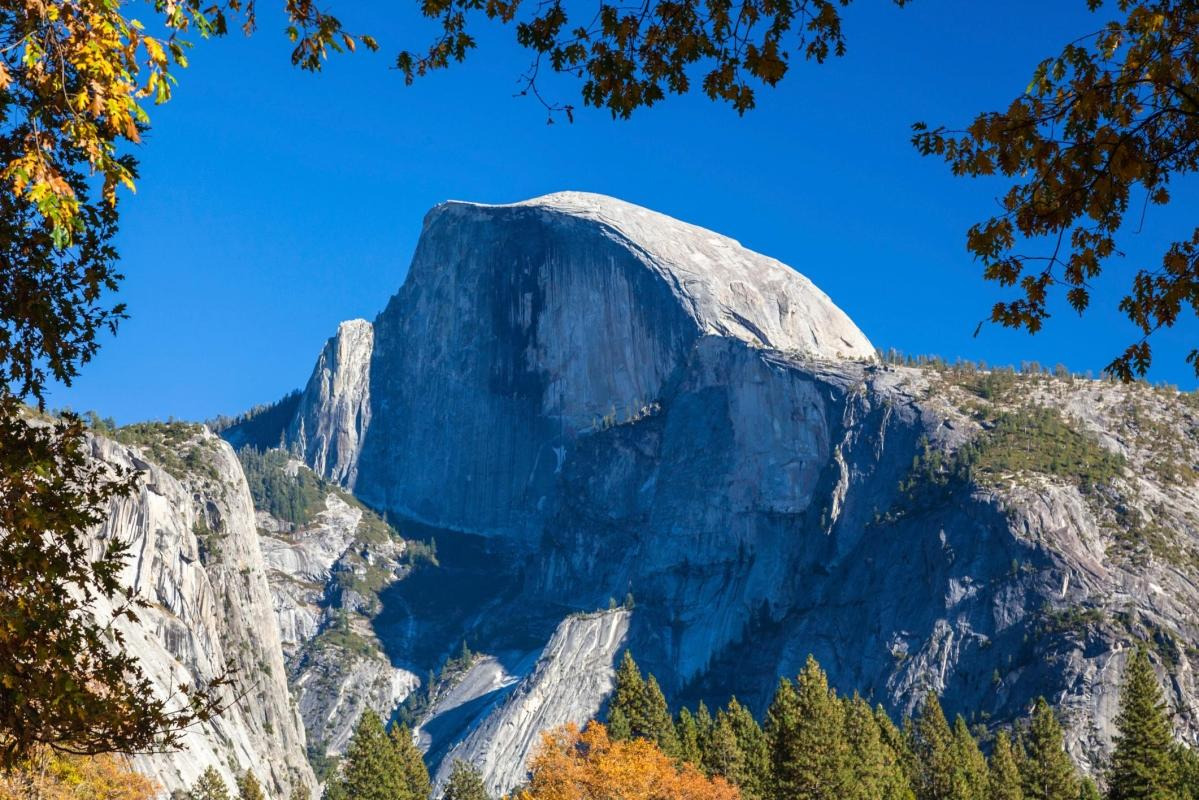
Embark on an unforgettable adventure to Yosemite’s iconic Half Tail with this tailored itinerary designed for wheelchair and mobile scooter users. Immerse yourself in nature’s grandeur while enjoying accessible paths and facilities.
Morning: Arrival and Yosemite Valley Loop
Begin your journey early in the morning for a serene experience. Drive or take the shuttle to Yosemite Village. Accessible parking is available, and from there, board the wheelchair-accessible shuttle to get around the park with ease. Start with the Yosemite Valley Loop, a flat and scenic route offering stunning views of Half Dome’s majestic crest. The path is mostly paved, making it perfect for wheelchairs and scooters.
Midday: Mirror Lake
Next, head towards Mirror Lake, which boasts a wheelchair-accessible trail. Although the trail is partially paved, it provides a closer view of Half Dome and its reflection on the water, especially enchanting in the spring when the lake is fullest. Pack a picnic to enjoy at one of the accessible picnic areas along the trail.
Afternoon: Glacier Point
After lunch, make your way to Glacier Point via the accessible tour bus (book in advance). This spot offers a jaw-dropping panorama of Half Dome and Yosemite Valley. The viewing area is paved and offers telescopes that wheelchair users can use to zoom into the geological details of Half Dome.
Interesting Facts
- Half Dome was originally called "Tis-sa-ack," meaning Cleft Rock in the language of the local Native Americans.
- The cable route, which enables hikers to climb the final 400 feet to the summit, was established in 1919.
Evening: Stargazing
Conclude your day with a stargazing session. The Glacier Point amphitheater hosts accessible evening programs, where rangers unveil the mysteries of the night sky.
This itinerary promises a delightful and insightful day at one of nature’s most impressive monuments, ensuring accessibility every step of the way.
Wheelchair-Friendly Tips: Check for specific amenities and accessibility features relevant to wheelchair-friendly travelers.
El Capitan
Why Visit?
Wheelchair Accessible Tour of El Capitan, Yosemite National Park
Overview
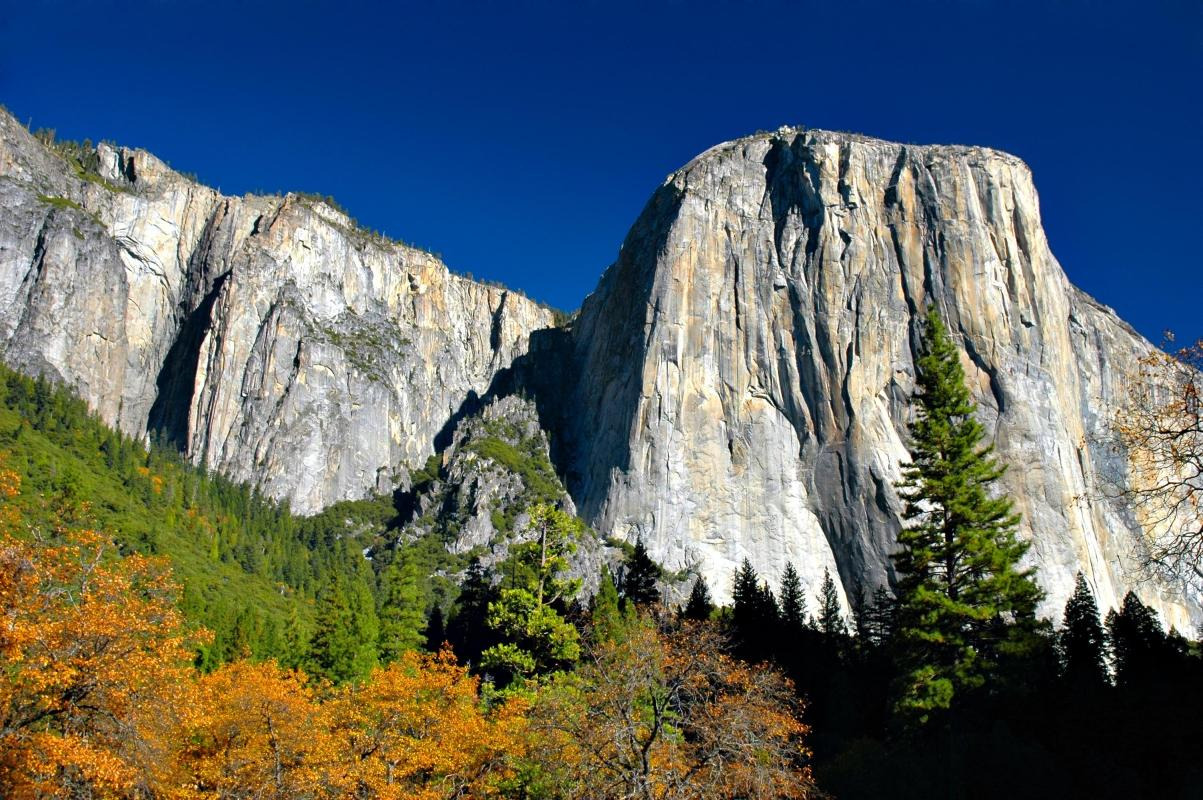
Immerse yourself in the majestic beauty of El Capitan, a striking vertical rock formation that towers about 3,000 feet above the Yosemite Valley floor. This tour is fully accessible, ensuring that wheelchair and mobility scooter users can enjoy the grandeur of Yosemite’s geology and scenery.
Getting There
Start your adventure by entering Yosemite National Park through the Arch Rock Entrance, which is the most direct route to El Capitan. The park charges a fee per vehicle, but holders of the Access Pass (available for U.S. citizens or permanent residents with permanent disabilities) can enter for free.
El Capitan Meadow
Your first stop is El Capitan Meadow, offering a splendid front-row view of El Capitan’s impressive facade. The meadow has accessible parking and firm, packed paths suitable for wheelchairs and scooters. From here, you can use binoculars to spot climbers ascending the vertical granite, a physically demanding and awe-inspiring spectacle. This spot is not only perfect for photography but also a serene place for picnicking under the watchful gaze of the towering granite.
El Capitan Shuttle Stop
Next, take advantage of Yosemite’s free shuttle buses, which are equipped with wheelchair lifts. Alight at the El Capitan Shuttle Stop, where an accessible boardwalk provides another vantage point to view and photograph this monolith. Interpretive signs along the boardwalk offer insights into the geological history and the nature surrounding El Capitan.
Interesting Facts
El Capitan is primarily composed of a type of granite called El Capitan Granite, believed to have formed approximately 100 million years ago during the Cretaceous period. Each year, hundreds of climbers challenge themselves on its sheer walls, with routes like The Nose being among the most famous.
Conclusion
This accessible tour of El Capitan not only brings you face-to-face with one of Yosemite’s icons but does so in a manner that is inclusive, ensuring everyone can witness the splendor of one of nature’s most magnificent creations.
Wheelchair-Friendly Tips: Check for specific amenities and accessibility features relevant to wheelchair-friendly travelers.